Wearables·7 min read
What to track first if you actually want to optimize healthspan
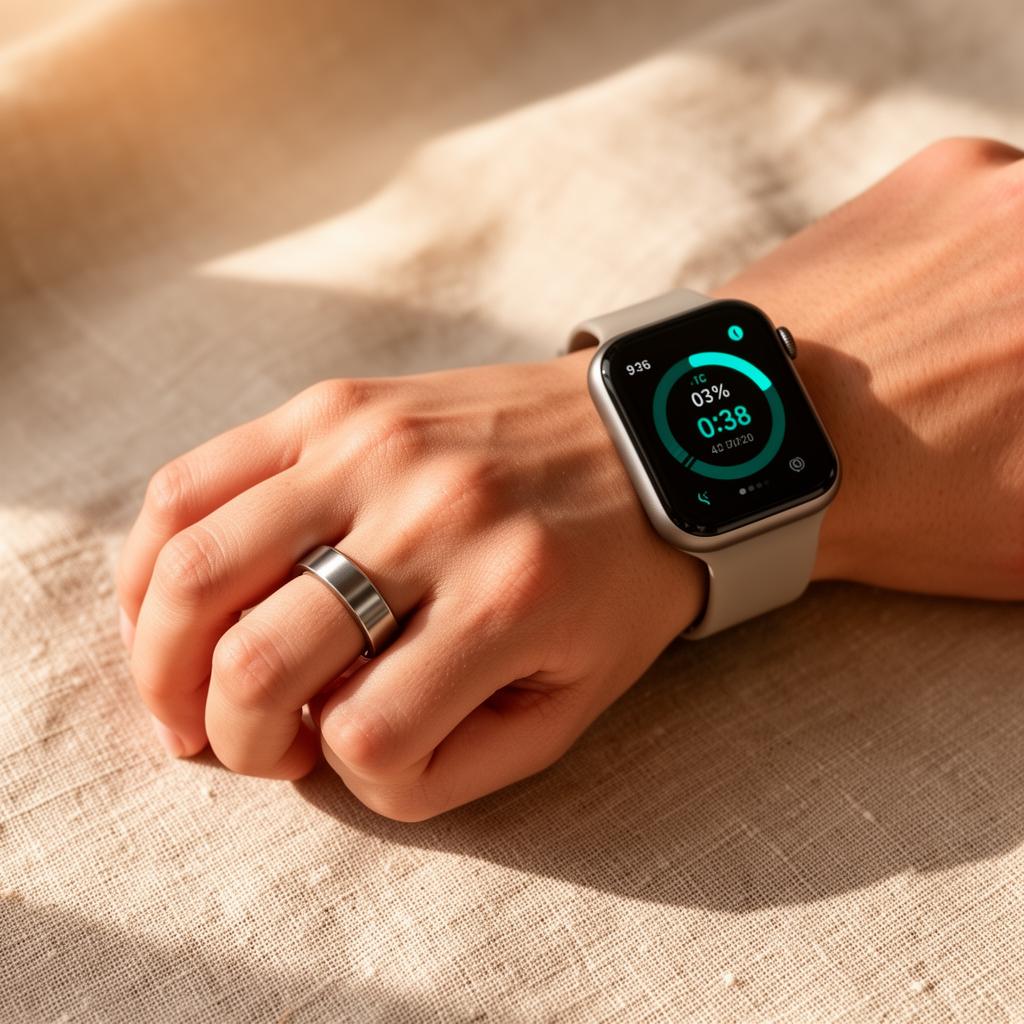
The short list of signals that move the needle — and the ones safe to ignore for now.
Stanford Center on Longevity is a research and education center focused on helping people, communities, and institutions adapt to longer lives and improve wellbeing across the lifespan.
People seeking research-based education on longevity, lifespan design, healthy aging, purpose, work, finance, and social connection.
These are editorial signals, not endorsements. Always pair with qualified medical guidance.
A short due-diligence list to apply before paying, booking, subscribing, or building a routine around any longevity tool, test, or program.
What exactly will this measure, track, or improve — and over what time horizon?
Is there medical or clinician oversight, and how qualified are the people behind it?
How should I interpret the data, and what does a meaningful change actually look like?
What will I do differently with the results? If the answer is unclear, the signal isn't useful yet.
Is the claim evidence-led or marketing-led? Where is the underlying research?
What is the true cost after the first purchase, test, or subscription — including renewals?
Does this replace medical advice? It should not. Where does professional care still belong?
How does this compare to simpler, lower-cost, or higher-evidence alternatives?
Buck Institute is a biomedical research institution focused on the biology of aging and age-related disease.
USC Longevity Institute focuses on translational research on aging, longevity, nutrition, fasting, and age-related disease.
BrainHQ offers online brain training exercises for memory, attention, processing speed, people skills, decision-making, and navigation.
Calm offers sleep stories, meditation, relaxation, breathwork, and stress-management content through a mental wellness app.
Headspace is a mental wellness app offering meditation, sleep, mindfulness, stress, coaching, and mental health tools.
Educational resources are not personalized medical advice. Users should apply insights in context and consult professionals for medical, financial, or clinical decisions.
The short list of signals that move the needle — and the ones safe to ignore for now.
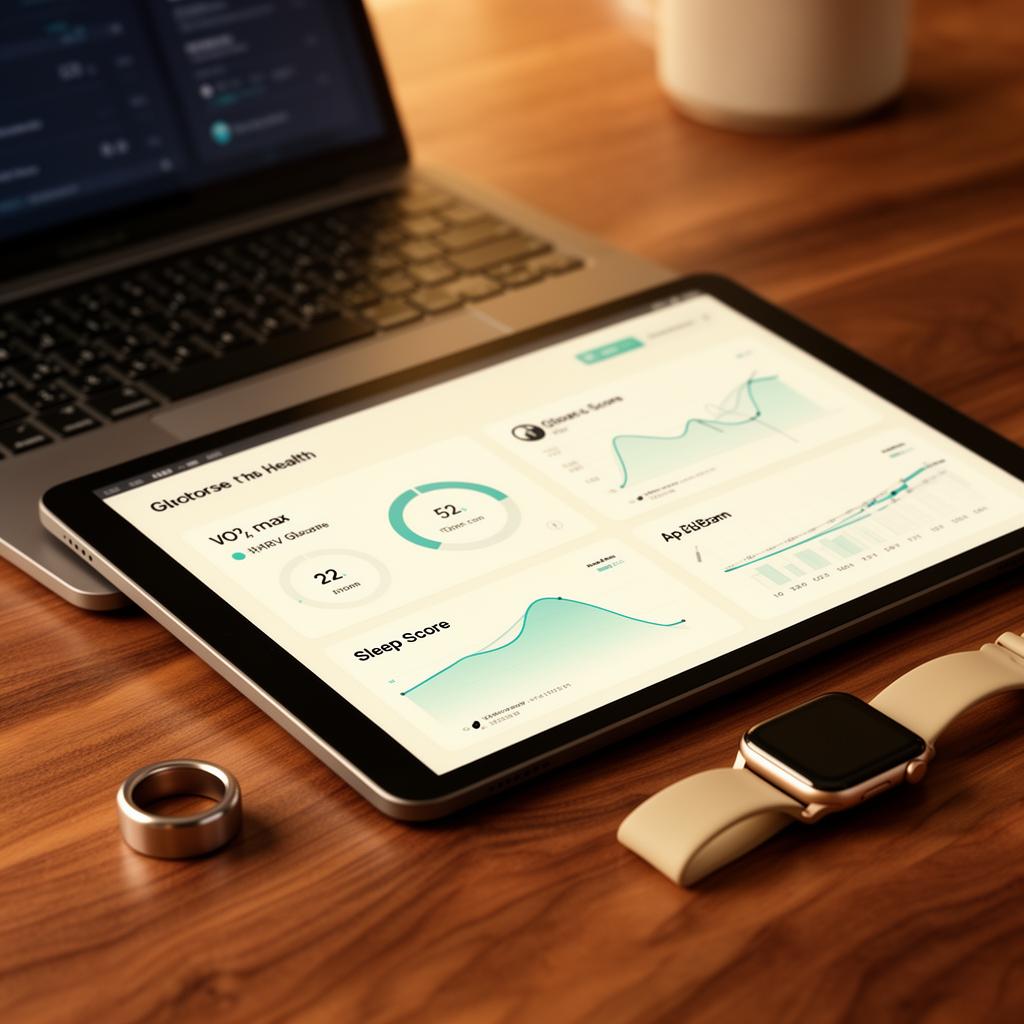
A direct comparison of recovery, strain, sleep, and fitness signal — without the influencer noise.

ApoB, ferritin, hormones, inflammation — the markers worth knowing, and how to read them.